Why Everyone in Green Bay Uses the Same Password: Building Location-Aware Wordlists
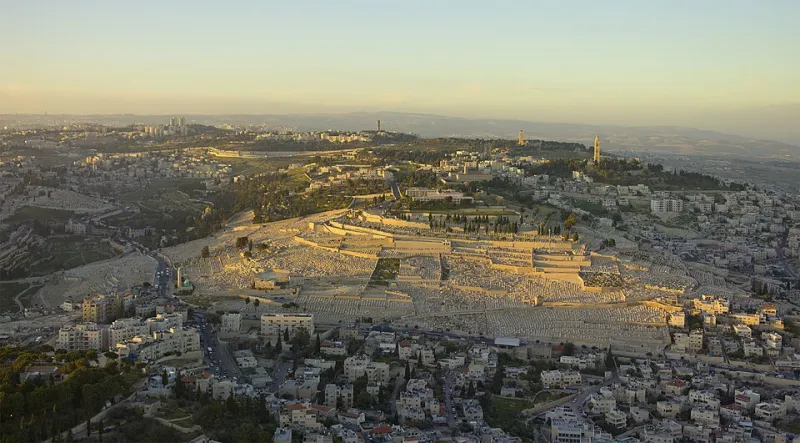
Photo: Godot13, CC BY-SA 4.0, via Wikimedia Commons
Ask a room full of people in Philadelphia to invent a password, and a surprising number of them will reach for the Eagles, the Liberty Bell, or the street they grew up on. Do the same thing in Dallas and you'll get Cowboys variants, area codes, and a whole lot of "Texas" with a number stapled to the end.
That's not a stereotype. It's a pattern that shows up consistently in breached credential dumps, and it's one of the most underused signals in penetration testing. If you're auditing a regional business with a wordlist built for a generic American user, you're leaving easy wins on the table.
Geography Is a Password Hint Nobody Thinks They're Giving
People assume their password is private. What they forget is how much context they broadcast before they ever type a character. A company's website lists its address. Its employees' LinkedIn profiles mention the office. The local news coverage, the high school rivalries, the highway everyone complains about — all of it is public, and all of it feeds the mental pool people draw from when picking something "memorable."
Leaked dump analysis has borne this out for years. After a sports team wins a championship, password resets referencing that team spike in the metro area. After major weather events, storm names show up. Regional slang, local universities, popular lake and beach destinations — these aren't exotic guesses. They're the first things a neighbor would try.
The practical takeaway: a penetration tester in Columbus, Ohio has no business running the same candidate list as one working a client in Miami. The raw material is different.
The Ingredients of a Local Wordlist
Building a geography-aware wordlist is less about exotic tooling and more about knowing where to pull raw text. Four sources cover most of the ground:
1. Census and gazetteer data. The US Census Bureau and USGS Geographic Names Information System (GNIS) give you every incorporated place, unincorporated community, and geographic feature in the country — free and public domain. For a targeted audit, pull every city, town, neighborhood, and landmark within a reasonable radius of the client's location.
2. Sports rosters and team names. Pro, college, and even high school mascot names carry enormous psychological weight. Professional and collegiate team names are trademarked, but mascot-adjacent terms, city-plus-team combos, and jersey-number patterns are fair game for a wordlist. Note that college towns punch way above their weight here — a Saturday in Ann Arbor or Tuscaloosa tells you everything you need to know.
3. Street and subdivision names. Local GIS portals and OpenStreetMap exports include road networks. Street names are a classic password ingredient because people live on them. Subdivision names ("Willow Creek," "Fox Run") are even better — they feel obscure but are printed on every sign in the neighborhood.
4. Local culture and slang. Regional chains, beloved local foods, radio stations, area codes, famous local nicknames. This is the part no database gives you; it requires ten minutes of actual local knowledge. A list for Pittsburgh that doesn't include the three rivers and their bridges is incomplete.
Assembling It: A Quick Walkthrough
Here's a compressed workflow you can run in an afternoon:
- Define the radius. For a single-location business, 25 miles is usually plenty. For a regional chain, expand to each metro.
- Pull place names. Query GNIS or a census places file for your radius. Keep populated places, landmarks, and schools.
- Grab street names from an OSM extract filtered to the bounding box.
- Add cultural terms manually — teams, mascots, local slang, well-known businesses.
- Apply mutations. This is where a wordlist generator earns its keep. Take your base terms and apply the transformations humans actually use: capitalization variants, trailing digits (birth years 1950–2010 are high-value), common suffixes like
!,123, and the year, plus leetspeak substitutions. - Weigh, don't just append. A base list of 500 local terms can easily become 50,000 candidates after mutation. Rank the originals by prominence — a major city name outranks a tiny township — and let that ordering drive your testing priority.
The result is a list that's dramatically smaller than a rockyou-style dump but hits far above its weight against a regional target, because it's built from the same mental raw material your targets used.
Why This Matters for Regional Audits
Small and mid-sized businesses outside major metros often assume they're too boring to target. Their employees' passwords suggest otherwise — familiarity breeds predictability, and "local and beloved" is the most familiar category there is. When you're doing an authorized engagement for a regional bank, a hospital system, or a municipal office, a geographically-tuned wordlist is often the difference between a clean report and a very awkward conversation.
And there's a defensive flip side worth mentioning to clients: if your password policy blocks dictionary checks only against generic lists, it's blind to the hometown terms your whole office shares. Password managers and passphrases built from random words solve this far better than complexity rules ever will.
Build It Yourself
Every data source mentioned here — census places, GNIS, OpenStreetMap — is free and public. Pair them with a mutation engine and you can generate a metro-specific wordlist in minutes, not days. Try pulling your own metro area and see how many terms you recognize from your own password history. If that thought makes you slightly uncomfortable, good. That's the whole lesson.